Our story
A slower kind of rescue.
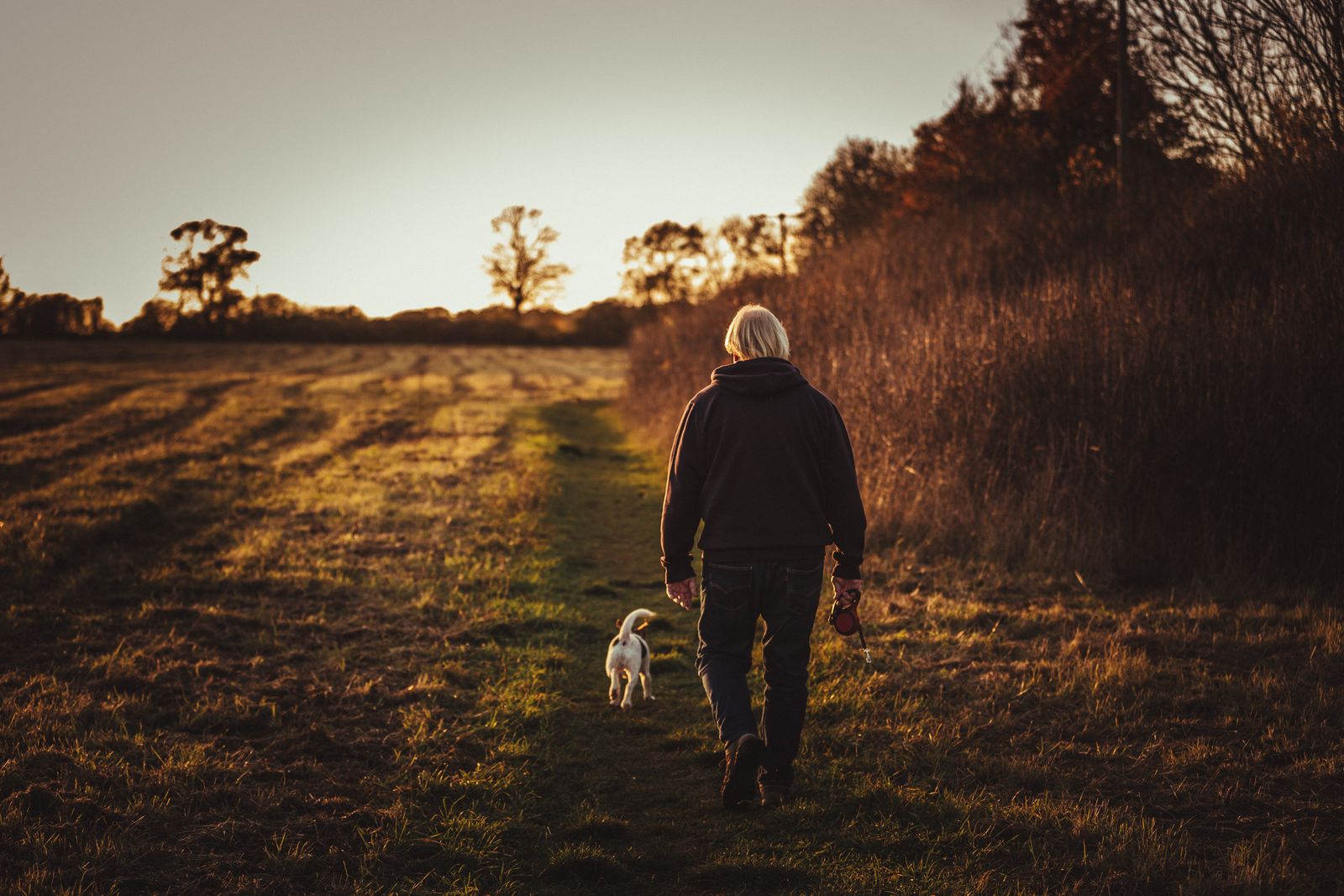 How it started
In 2014, Margaret Okafor adopted Duke, a fourteen-year-old Labrador nobody else had asked about. Duke could not walk far, so they walked slowly: to the corner, to the bench, back again with a rest at every gatepost. Neighbours stopped to chat. Some asked whether there were more dogs like Duke. There were dozens, waiting in kennels while younger dogs went home first. Margaret began fostering two at a time, then recruited the neighbours. The rescue that grew out of those walks kept the name, and the pace. Margaret, Duke and Slow Walks are fictional. The problem is not: older dogs are often the last to be chosen.
How it started
It began with a walk that took forty minutes to go round one block.
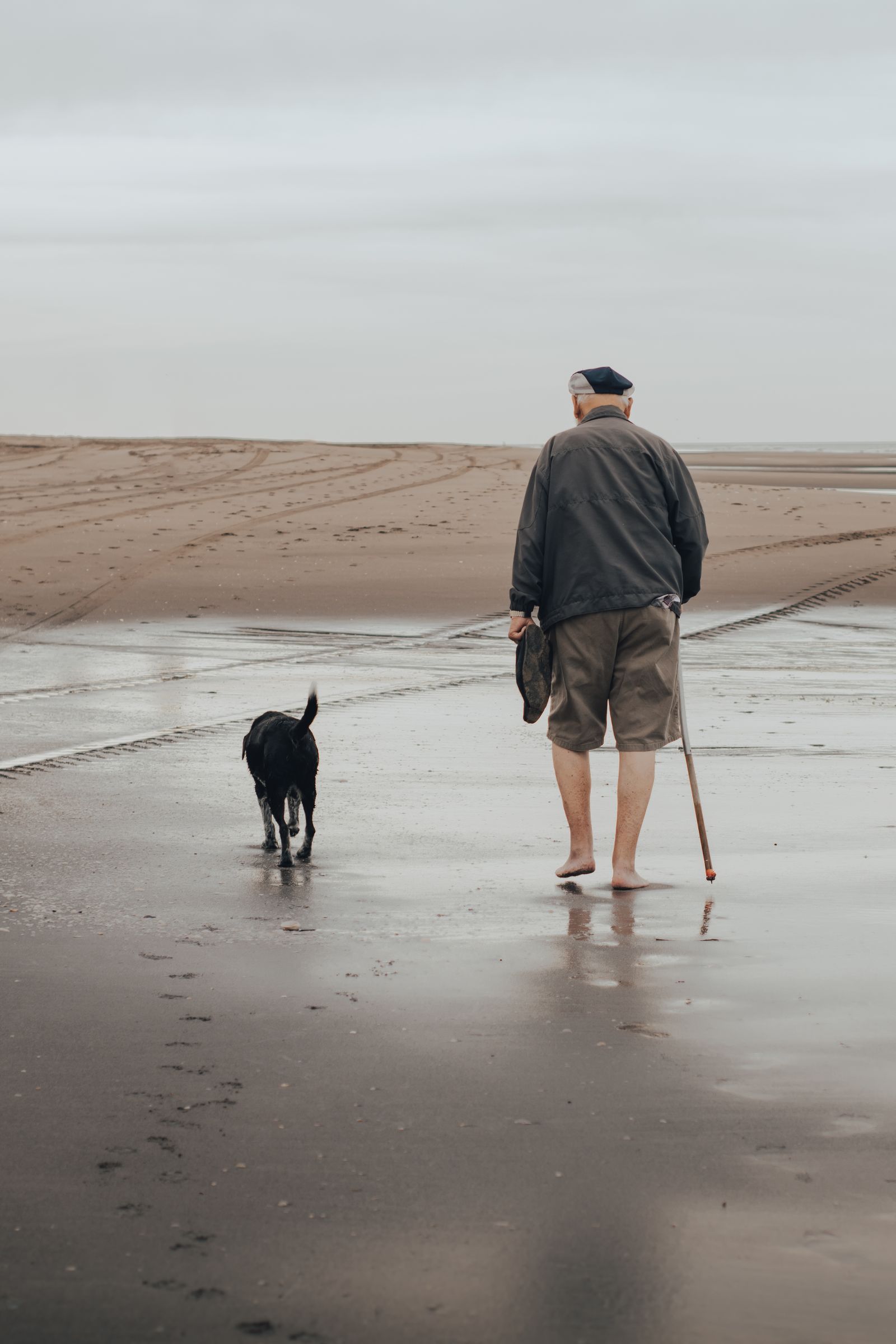
Slow Walks never sends a dog back to a kennel. If a home does not work out, the dog returns to a foster sofa and we start again. If a dog becomes too frail to move, they stay put as a forever foster, and we pay every bill until the end. We would rather help forty dogs well than four hundred in a hurry. It is slower. That is rather the point.
Every dog keeps a place with us.
Our promise
About forever fosteringMost of our dogs live with foster carers, but every rescue needs a place to land. Ours is the Snug: a converted bungalow with four sofas, underfloor heating and no stairs at all. New arrivals rest here for a week or two while our vet gets to know them and we find the right foster home. The Snug is imaginary, but everything in it is chosen the way a real older-dog sanctuary would choose it.
Welcome to the Snug.
The sanctuary
The sofa room
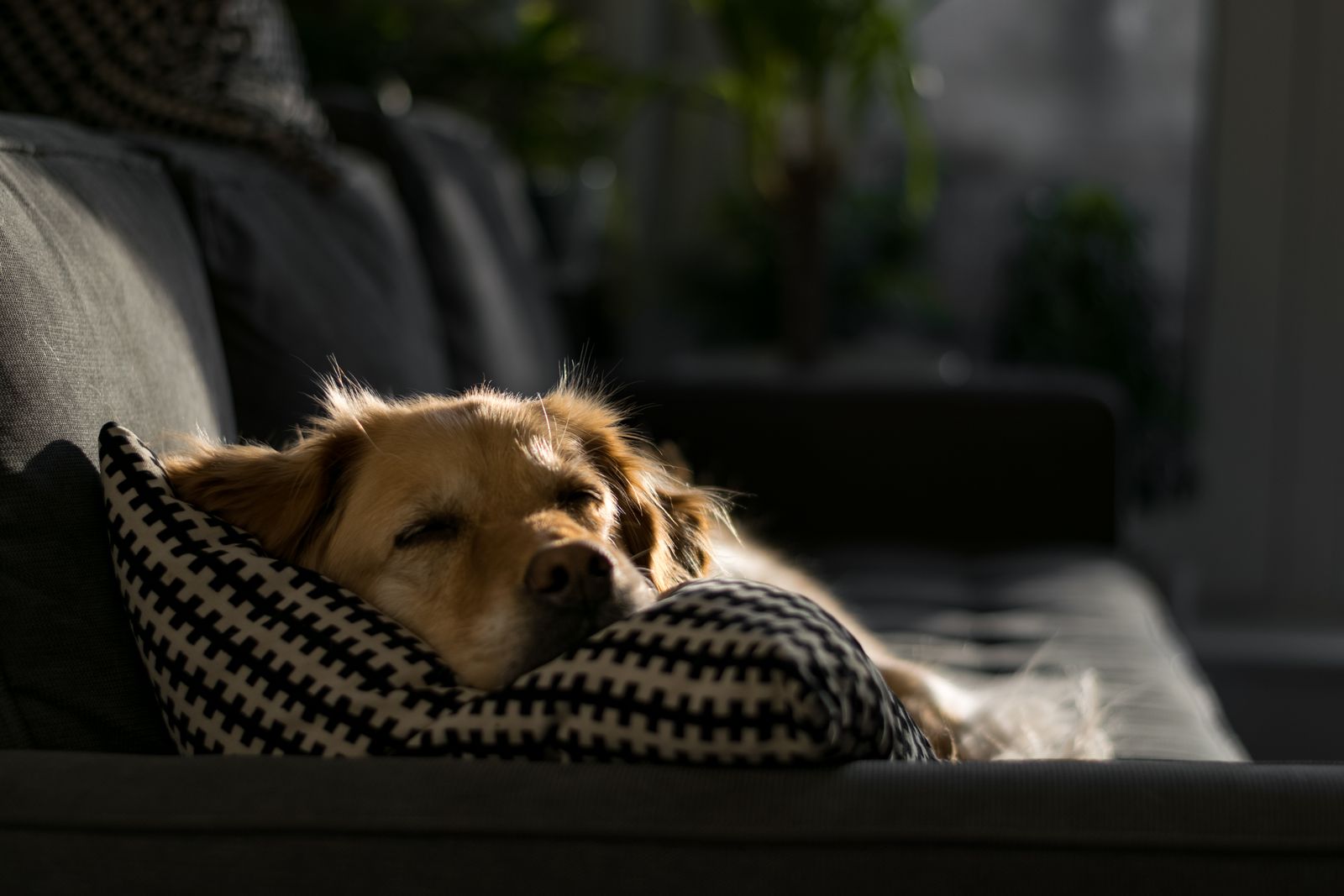
The sun spot
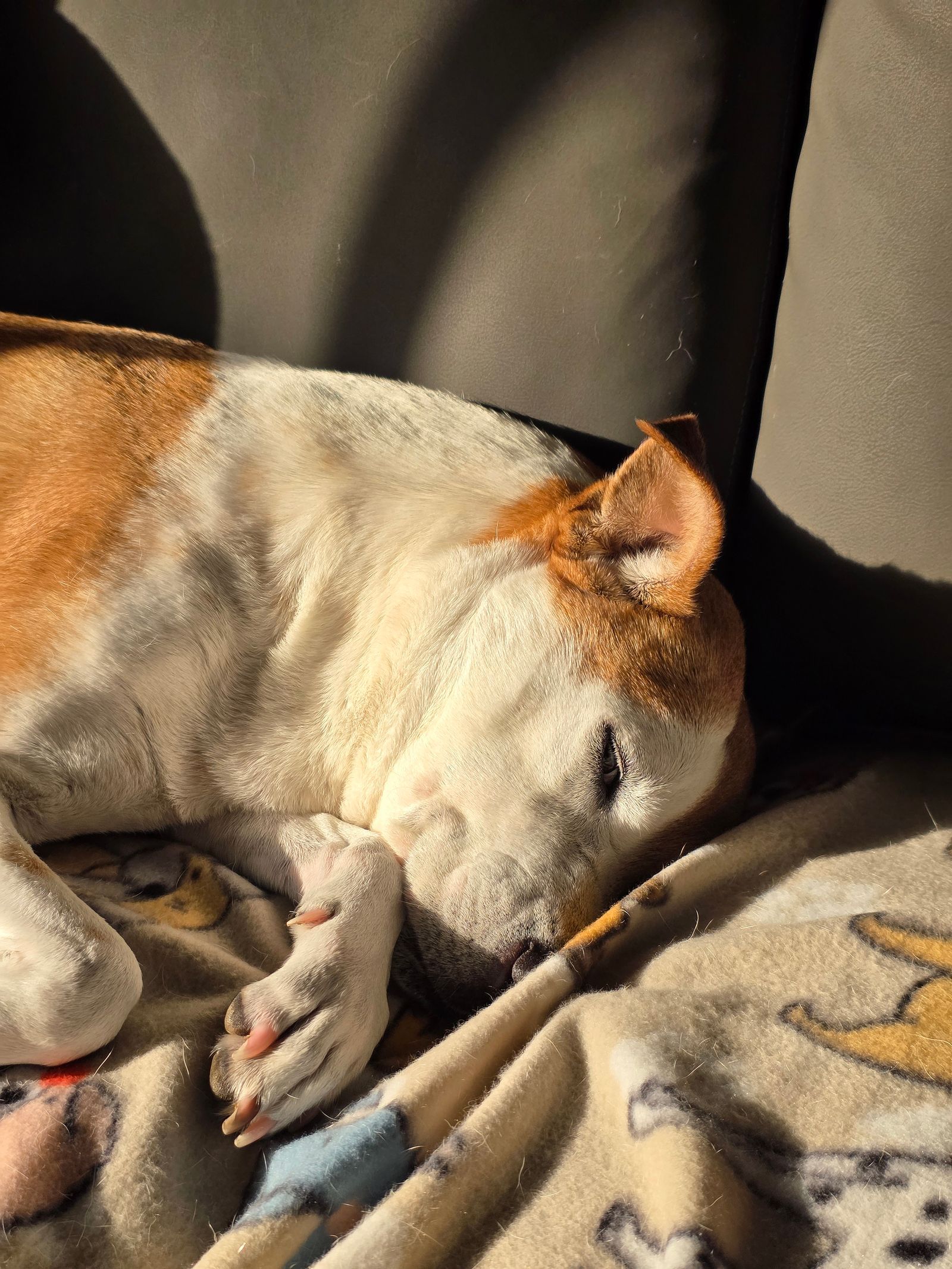
The quiet room
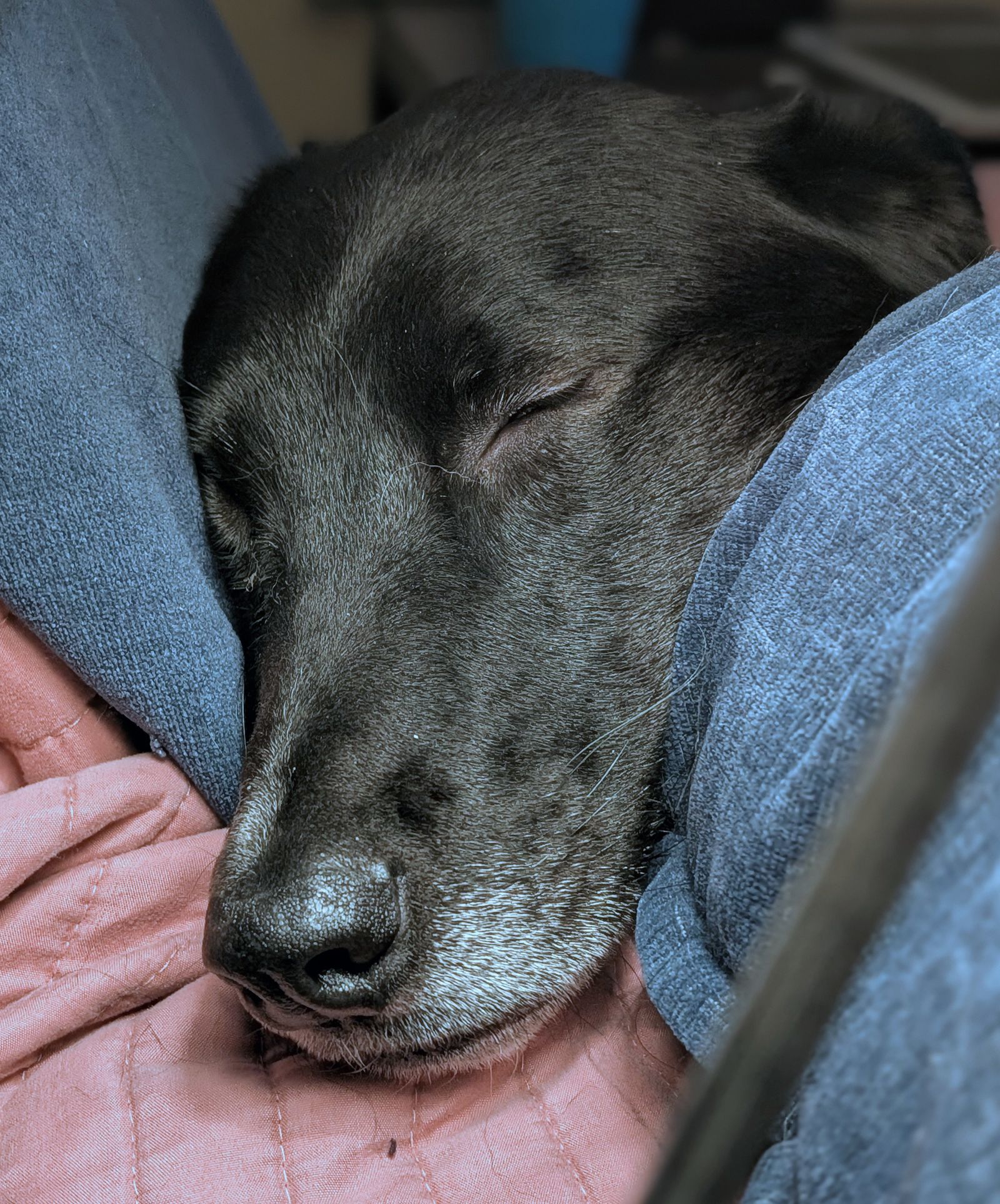
The back gate
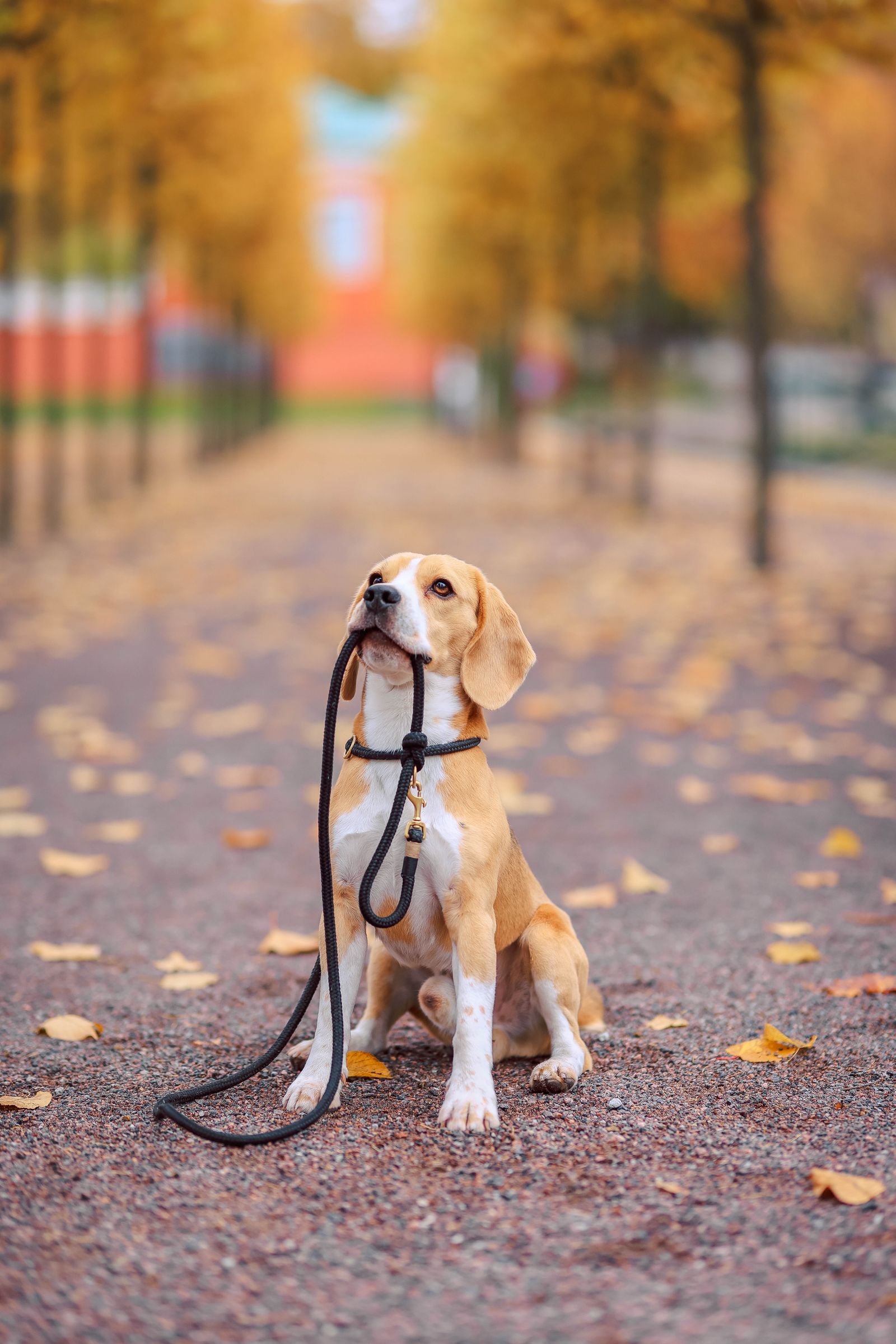
A day at the Snug
Timetable, approximately
Breakfast, with tablets hidden in cheese
Walk to the gate. Sniff everything.
Nap
Hopeful faces at lunch
Nap, in a sunbeam
Beard brushing
Sofa, telly, snoring
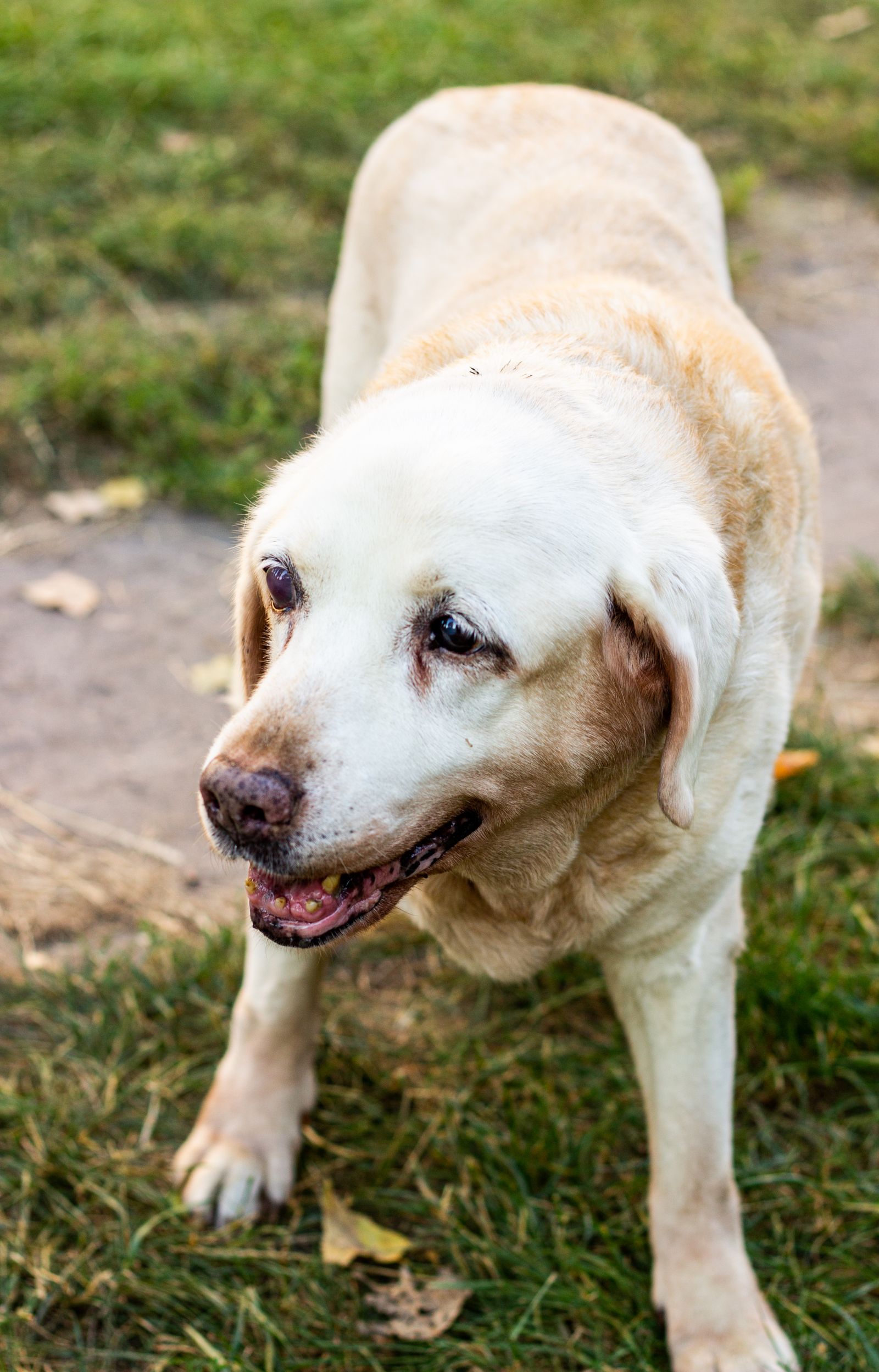
Meet the residentsThe fourteen-year-old Labrador who started it all. Duke walked about a mile a day, very slowly, and never once seemed to mind. Every dog we have helped since walks in his paw prints.
In memory of Duke.
Founding dog, 2000 to 2016 · fictional and much loved
 Help an old dog